Information for students at Zurich University and the ETH
Research foci in our lab concern at comparative developmental morphology and palaeontology.
Students have the opportunity to both get trained to use a hammer in the field to find and investigate fossils, and also to use a microscope to study living organisms. They can work with fossils but also with embryos of living groups, related to the extinct forms. For example, we collect fossil turtles in the field to study the evolution of the carapace, but also investigate carapace development in extant turtles; and we study the development of limbs in lizards and then compare this to developmental series from the fossil record. We see disparate research (e.g. embryology, palaeontological fieldwork, systematics, or comparative anatomy) on large-scale themes as the best training ground.
Studies of cultural macroevolution involve diverse kinds of analyses following the use of the hRAF and collecting ethnographic data from the literature, museums, and the field.
Swiss-European Mobility Programme SEMP UZH
If you think you may be interested in doing a Master's thesis in our lab, please contact us. Examples of areas of research for Master's theses are:
Sánchez:
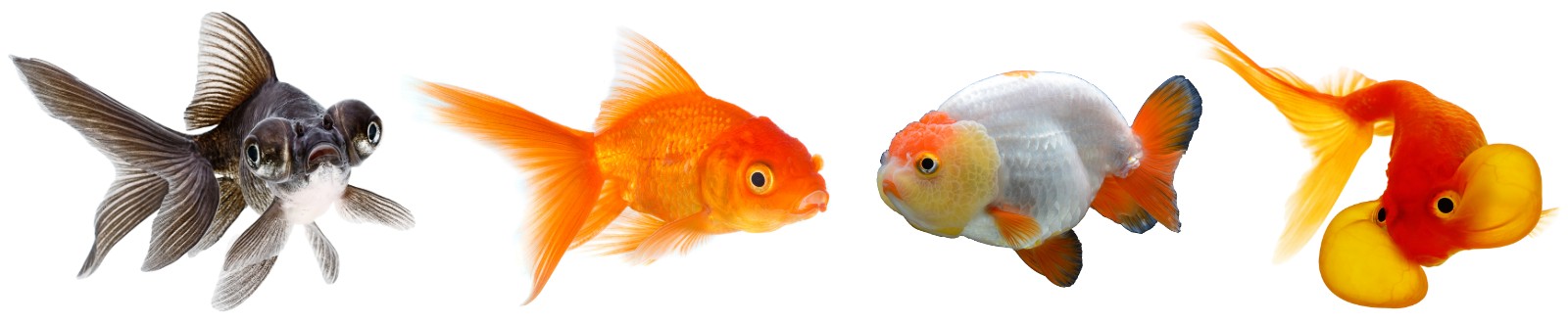
- Diversity in the skeleton of ornamental fishes (non-invasive imaging, comparative anatomy)
- Sensory organ diversity in domesticated mammals
- Anatomy and systematics of a toxodont skull from the Neotropics
Aguirre / Carrillo / Sánchez:
- Mammal palaeodiversity in the Cenozoic of Switzerland
- Sirenian inner ear anatomy and evolution
- Bony fishes from the Pliocene of the Neotropics
- Taxonomy and systematics of northern neotropics mastodonts
- Pleistocene mammals from Switzerland
Find more information on: Masterarbeitsthemen | Paläontologisches Institut | UZH