Research on deep time Biosphere and Ethnosphere
We conduct research in different areas, united by conceptual issues and approaches. Although we occasionally conduct experiments, our work is comparative and informed by phylogeny and a developmental perspective. Our research tends to be collections-based, as we place much weight on generating new empirical data besides analyzing them. Members of our lab usually develop an independent research profile, including doctoral students.
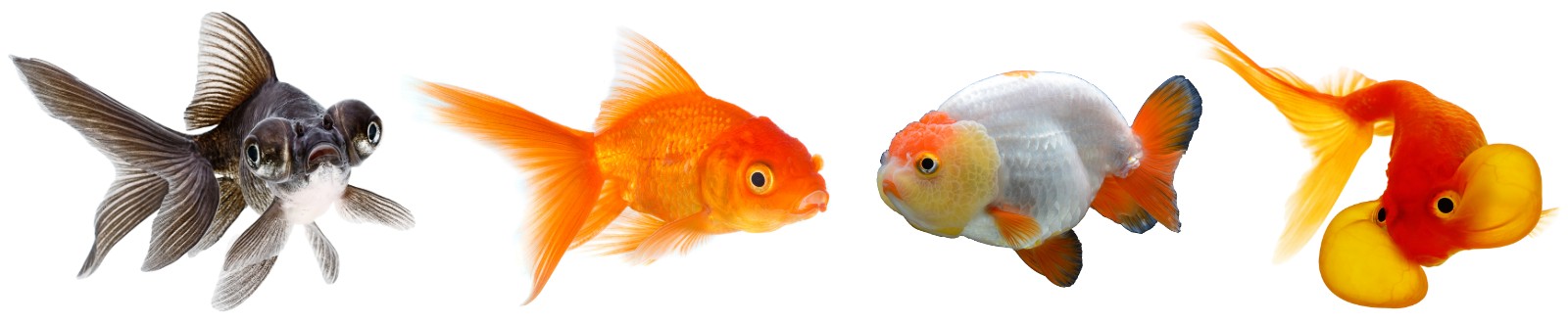
Our research on evolutionary morphology concerns diverse vertebrate animals. For this a solid phylogenetic and taxonomic background is fundamental, thus our work in those areas. We have studied the morphological diversification brought about by domestication in different vertebrate species and conduct experimental work on this process. The fossil record is a direct and – in the case of vertebrates – fundamental source to understand the patterns and processes of evolution. Our palaeontological fieldwork concentrates on the tropics of South America, a region rich in past and present biodiversity. We are currently involved in revisions of our Museum collections of fossils collected by Santiago Roth in Argentina. We continue our projects in the Neogene, and more recently Pleistocene, of Venezuela. Please visit the website of Torsten Scheyer to check for other areas covered in vertebrate palaeobiology at our Department. Our lab recently hosted the PRIMA Prof. Catalina Pimiento; we are currently hosting the SNF Ambizione Junior Group leader Alessandro Urciuoli, who conducts paleoanthropological research.
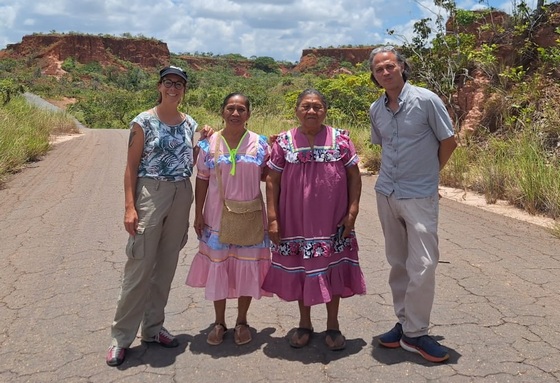
Some of us are involved in studies of cultural macroevolution using methods and concepts of an expanded evolutionary biology. We are interested in material culture, as in our studies of musical instruments and blowguns, but also on subjects such as intentional cranial modifications, interspecies communications and ontological perspectives, and domestic dogs among Amerindians. For this and other topics related to the ethnosphere, South America offers rich subjects of study. We are involved in a collaboration with Dr Fernanda Ugalde at the Rietberg Museum on public outreach on these matters - an example of cooperation between our respective institutions (www.partnerschaft-rietberg.uzh.ch)
Ongoing projects
- Palaeobiology of fossil vertebrates in South America
Learn more... - Human cultural macroevolution and Neotropical Archaeology
Learn more... - Domestication - an evolutionary developmental perspective
Learn more... - The fossil record and evolution of the neotropical fish fauna
Learn more...
Closed projects
- Comparative musculo-skeletal ontogeny of tetrapods
Learn more... - Pattern and process in evolutionary radiations of ray-finned fishes
Learn more...